All Esk Beef Products

Macronutrients per 100g
Esk Beef | Brisbane Valley, QLD
Shoulder roast with connective tissue that breaks down into melt-in-your-mouth texture.
FarmGallanani, Esk QLD
RegionBrisbane Valley, QLD
BreedCharolais & Charbray
FarmersBen Drynan & Family
ProcessingBrisbane Valley Meats (10km)
IngredientsBEEF
Cut OverviewAbout This Cut
Blade is cut from the chuck shoulder. It has higher collagen than the loin cuts, which means it responds to low, slow cooking and not much else.
Tip: Low and slow is the only way. Aim for 90-95°C internal and fork tender. Anywhere before that the collagen hasn't broken down.
Esk Beef - Brisbane Valley, QLD
SourcingHow They Are Raised
RaisingPasture and leucaena
HandlingLow-stress handling practices
What Goes In
HormonesNone used
AntibioticsNone used
PreservativesNone
Nutrition
Nutritional Values
Data Source
F000755 - Beef, blade roast (chuck), untrimmed, raw. Values are typical averages per 100g. Trimming visible fat will reduce total and saturated fat. Not dietary or medical advice.
150kcal
Energy per 100g
150 kcal
628 kJ • typical average
Protein21.5g
Complete protein. All essential amino acids present.
Total Fat7.0g
Naturally occurring. Trimming the fat cap will reduce this.
Carbohydrates0g
Essentially no carbohydrates.
Sodium60mg
Naturally occurring only. No salt added.
NutrientPer 100g
Energy150 kcal / 628 kJ▼
Total energy from protein, fat and carbohydrates.
Protein21.5 g▼
Beef protein is complete and contains all essential amino acids the body cannot produce on its own.
Total Fat7.0 g▼
All fat occurs naturally in the beef. Trimming visible fat will reduce total fat.
of which Saturated2.9 g▼
Naturally present in beef. Not added during processing.
Carbohydrates0 g▼
Beef contains no carbohydrates.
of which Sugars0 g▼
No added or naturally occurring sugars.
Sodium60 mg▼
Naturally occurring sodium only. No salt added.
Micronutrients
Iron2.2 mg▼
The iron in red meat is haem iron, a form the body absorbs more efficiently than non-haem iron from plant foods.
Zinc5.2 mg▼
An essential mineral used for immune function, wound healing, and cell growth.
Vitamin B121.8 µg▼
B12 is found naturally in animal foods. It plays a key role in nerve function and the production of red blood cells.
Vitamin B60.3 mg▼
B6 is involved in how the body processes protein and produces neurotransmitters.
Niacin (B3)4.8 mg▼
Niacin supports energy metabolism. Beef is a strong natural source of this B vitamin.
01Storage
Refrigeration
Keep at or below 4°C. Use within 3-4 days of purchase, or by the use-by date on the pack.
Freezing
Freeze on the day of purchase. Vacuum-sealed packs freeze well for up to 6 months. Label with the date before freezing.
Thawing
Thaw in the refrigerator overnight. Do not thaw on the bench. Once thawed, do not refreeze. Pat dry before cooking.
After Cooking
Store cooked leftovers in an airtight container in the fridge. Consume within 2-3 days.
02Cooking
Bring to Room Temperature
Remove from the fridge 30 minutes before cooking.
Best Cooking Method
Braise in a covered pot at 140-160°C for 3-4 hours until fork tender. Or slow roast in liquid.
Seasoning
Season aggressively the day before if possible. Salt draws moisture in and builds crust.
Internal Temperature
Pull at 90-95°C when a skewer slides in with no resistance. Temperature alone does not tell the full story on a braise.
Resting
Rest in the braising liquid for 20-30 minutes before slicing. Keeps the meat moist.
Recipe Suggestions
Recipes
01
Pot Roast Blade with Red Wine and Mushrooms
▼You'll Need
1.5kg blade roast2 tbsp beef tallow2 onions, sliced3 carrots, chunked4 garlic cloves, smashed400g brown mushrooms, halved400ml red wine500ml beef stock2 tbsp tomato paste2 bay leaves4 sprigs thymeSalt and pepper
Method1Season roast heavily with salt the night before. Bring to room temperature before cooking.
2Heat tallow in a heavy pot. Sear roast on all sides until deep brown.
3Remove beef. Sweat onions and carrots for 10 minutes. Add garlic, mushrooms, tomato paste. Cook 3 minutes.
4Add wine, reduce by half. Add stock, bay, thyme. Return beef. Cover and cook at 150°C for 3-3.5 hours.
5Rest in the liquid 20 minutes. Slice thick. Spoon over the braise.
Tip: The pot-roast works best with a heavy lidded pot (Le Creuset or Dutch oven). Keeps the moisture in.
02
Pulled Blade for Sandwiches
▼You'll Need
1.8kg blade roast2 tbsp smoked paprika1 tbsp brown sugar1 tbsp flaky salt1 tsp black pepper2 tbsp beef tallow400ml beef stock2 tbsp apple cider vinegarBBQ sauce to serveBrioche rolls and slaw
Method1Rub beef with paprika, sugar, salt, pepper. Leave overnight if possible.
2Sear roast in tallow on all sides in a heavy pot.
3Add stock and vinegar. Cover tightly. Cook at 140°C for 4-5 hours until pull-apart tender.
4Rest 20 minutes. Shred with two forks.
5Toss with pan juices and BBQ sauce. Serve in rolls with slaw.
Tip: Save the pan liquid. Reduce it hard and toss through the shredded meat. That's where all the flavour is.
03
Slow-Cooked Pot Roast with Root Vegetables
▼You'll Need
1.5kg Esk Beef blade roast2 tbsp olive oil2 brown onions, quartered4 carrots, large chunks4 parsnips, large chunks500g baby potatoes6 garlic cloves, smashed2 tbsp tomato paste300ml red wine500ml beef stock3 sprigs thyme2 bay leaves
Method1Brown blade roast hard in a heavy pot with olive oil. Set aside.
2Soften onions in the pot 5 minutes. Add garlic and tomato paste. Cook 2 minutes.
3Add wine. Scrape up the fond. Reduce by half.
4Return roast. Add stock, thyme and bay. Surround with carrots, parsnips and potatoes.
5Cover and braise at 150 degrees C for 3 to 3.5 hours until the roast pulls apart and the vegetables are tender.
Tip: A blade roast is forgiving. Long cooks just deepen the flavour. Aim for 90 to 95 degrees C internal.
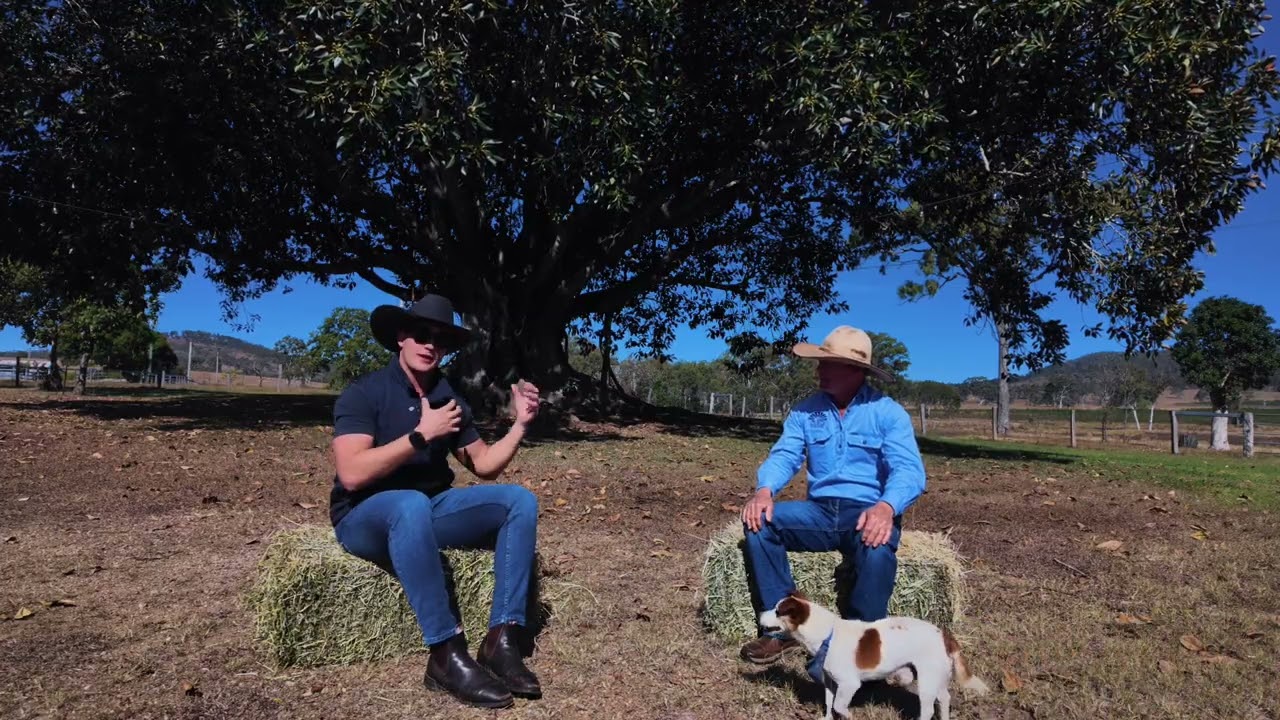
Hear From The Farmer
Esk Beef | Four Generations, 90 Years, One Patch of Country
Leave a Review
Help more people find real food and trusted producers. Thirty seconds on Google.
Opens in Google